Winter and Daylight Saving time in trading

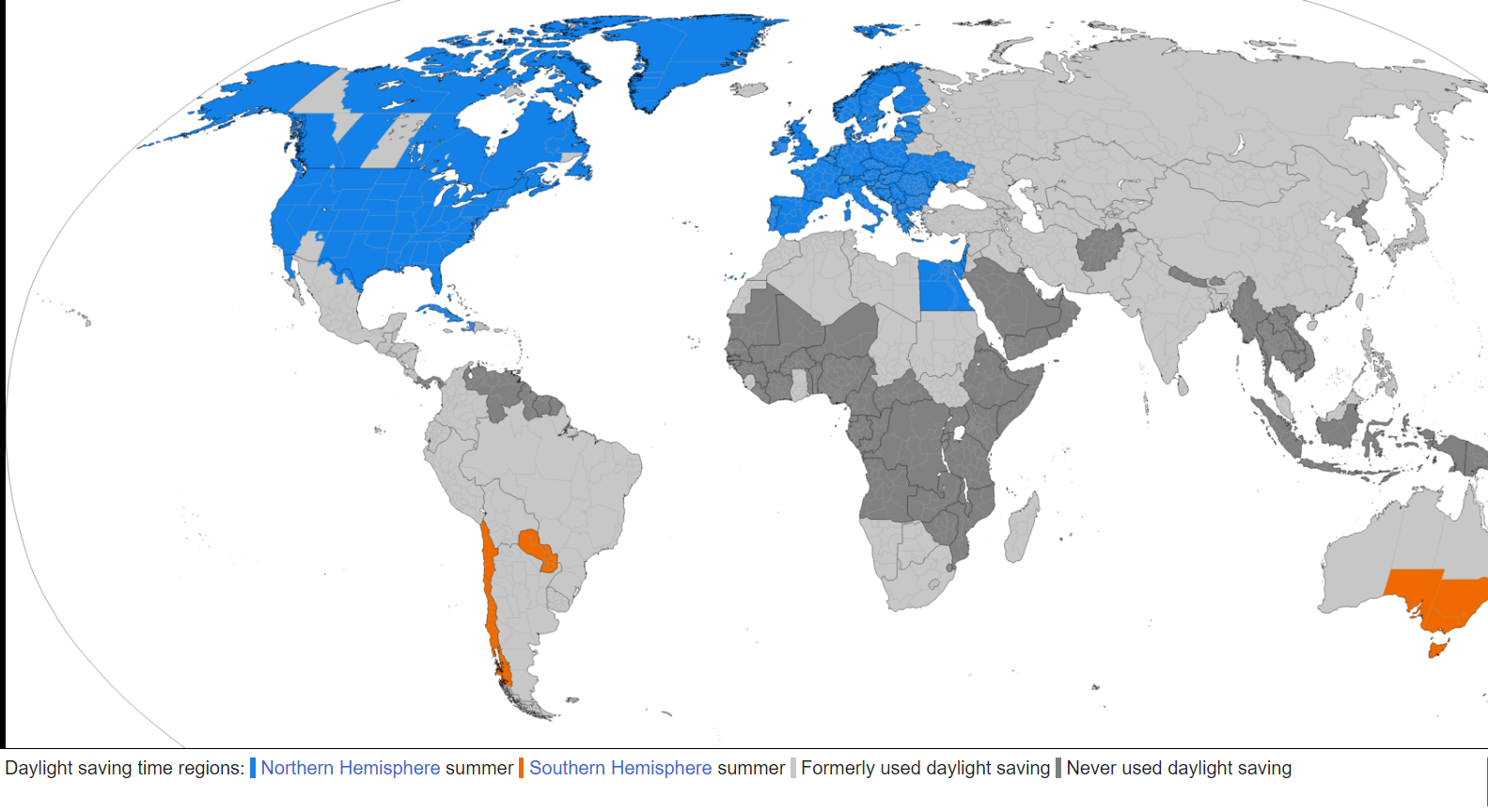
Daylight saving time and winter time change in the United States each year on the second Sunday in March and the first Sunday in November.
In daylight saving time, the clocks are moved forward by one hour compared to winter time. The return to winter time occurs when the daylight saving time period ends, and the clock is moved back one hour.

Timing changes affect financial markets in the United States in several ways. For example, timing changes affect trading hours in some global markets, and also affect the timing of the release of important economic reports and announcements, which leads to increased movement in financial markets at times.

However, the main effect of the timing change relates to changing the number of trading hours in the US financial markets. When the clock is moved forward into daylight savings time, the trading hours on the American Stock Exchange become an hour longer, and when returning to winter time, the trading hours are an hour shorter. This is expected to affect the trading volume and price movement in the financial markets.

It should be noted that some of the global financial markets timing changes on different dates, and this can affect cross-border trading and international capital movement.
