Trading During Financial Crises: Navigating High Volatility and Uncertainty
Introduction
Financial crises bring intense volatility and uncertainty to global markets, challenging even the most experienced traders. However, with careful planning and the right strategies, these turbulent times can present significant opportunities. Understanding how to manage risk and capitalize on these opportunities is crucial. In this article, we will discuss how to trade during financial crises, explore strategies to minimize losses, and highlight ways to benefit from the market’s unpredictability. We will also study past financial crises to better understand their impact on markets.

How to Trade During High Volatility and Uncertainty
1. Risk Management Is Paramount :
-
-
Risk Reduction:
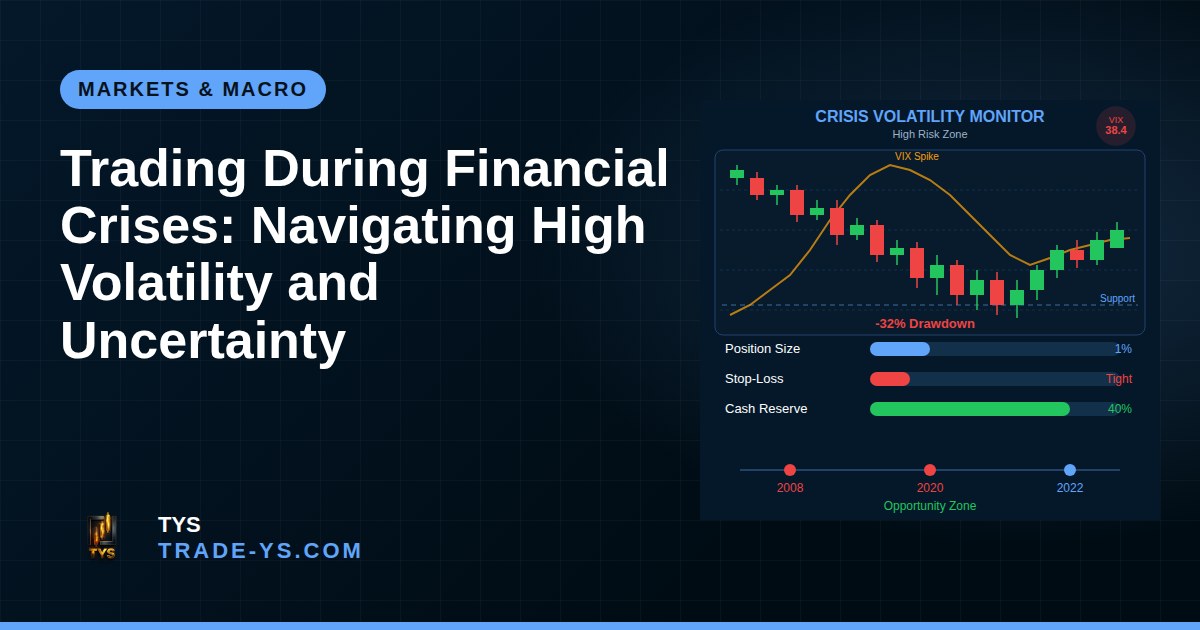
When markets become unpredictable, controlling risk becomes even more critical. This can include reducing position sizes, setting tighter stop-losses, and increasing cash reserves. Volatile markets often produce exaggerated price movements, which can lead to larger losses if not properly managed.
-
Example:
Suppose a trader, Trader X, normally trades 2% of their capital per position. In times of crisis, they may reduce this to 0.5%, significantly limiting exposure.
-

2. Adopt a Defensive Stance
-
-
Cash Is a Position:
In times of crisis, sitting on the sidelines can be a winning strategy. When uncertainty peaks, preserving capital is more important than attempting to predict chaotic market swings. Moving into cash or safe-haven assets such as gold or government bonds can help shield your portfolio from large drawdowns.
-
Example:
During the 2008 financial crisis, Trader Y liquidated most of their equity holdings and shifted into cash, missing a significant portion of the downturn and preserving capital for future buying opportunities.
-
3. Volatility-Adjusted Trading
-
-
Tools for Volatility:
Traders should consider using technical indicators designed to measure volatility, such as the Average True Range (ATR). This can help adjust position sizes and stop-loss levels to account for the heightened market fluctuations during crises.
-
Example:
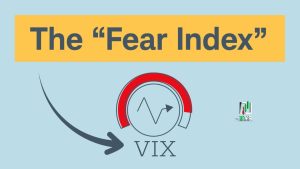
The VIX (Volatility Index), often referred to as the “Fear Index,” is another tool that provides insights into market sentiment. During the COVID-19 pandemic in 2020, the VIX skyrocketed, signaling extreme fear, which alerted traders to expect turbulent market conditions.
-
Strategies to Minimize Losses or Capitalize on Opportunities During Crises
1. Hedging Your Positions
-
-
Using Derivatives:
One effective strategy during a financial crisis is to hedge your positions using options, futures, or CFDs. A trader could buy put options as insurance against their long stock positions or trade inverse ETFs, which rise when markets fall.
-
Example:
During the 2020 market crash, Trader Z hedged their long-term portfolio by purchasing put options on the S&P 500. When the market dropped sharply, the puts gained value, cushioning the losses in their equity positions.
-
2. Look for Safe-Haven Assets
-
-
Diversification into Safe Assets:
Traders often move into safe-haven assets like gold, silver, and US Treasuries during market turmoil. These assets tend to retain value, or even appreciate, when traditional equities suffer.
-
Example:
During the European debt crisis in 2011, Trader X allocated a portion of their portfolio to gold, benefiting from the commodity’s rally while global equities plummeted.
-
3. Capitalizing on Market Overreactions
-
-
Mean Reversion Strategies:
In times of extreme market stress, prices tend to overshoot both on the upside and downside. Traders who adopt mean reversion strategies can take advantage of these overreactions by buying when prices dip significantly below their intrinsic value or selling when prices spike unjustifiably high.
-
Example:
During the aftermath of the 2008 financial crisis, Trader Y identified several stocks that had been unfairly punished and bought them at bargain prices, benefiting from their recovery in the subsequent years.
-

Case Study: The Impact of Past Crises on the Markets
-
Advantages:
-
Opportunities for High Returns:
Financial crises can lead to mispriced assets, offering lucrative opportunities for traders who can manage risk effectively.
-
New Trends Emerge:
Crisis periods often give birth to new economic trends and sectors. For instance, the technology sector flourished following the COVID-19 pandemic as remote work and digital services became mainstream.
-
-
Disadvantages:
-
High Risk:
Volatility during crises can wipe out unprepared traders. Without proper risk management, the speed and magnitude of market movements can lead to significant losses.
-
Emotional Stress:
Trading in a crisis can test even the most disciplined traders. Fear, greed, and uncertainty are magnified during these periods, leading to irrational decisions.
-
Conclusion
Trading during financial crises presents both high risks and high rewards. Traders who can remain disciplined, manage their risk effectively, and identify opportunities amid the chaos have the potential to benefit. Whether employing hedging strategies, seeking safe-haven assets, or capitalizing on market overreactions, preparation is key. By studying past crises and understanding how market dynamics shift during periods of extreme volatility, traders can better navigate these challenging times.