Short orders in futures Trading
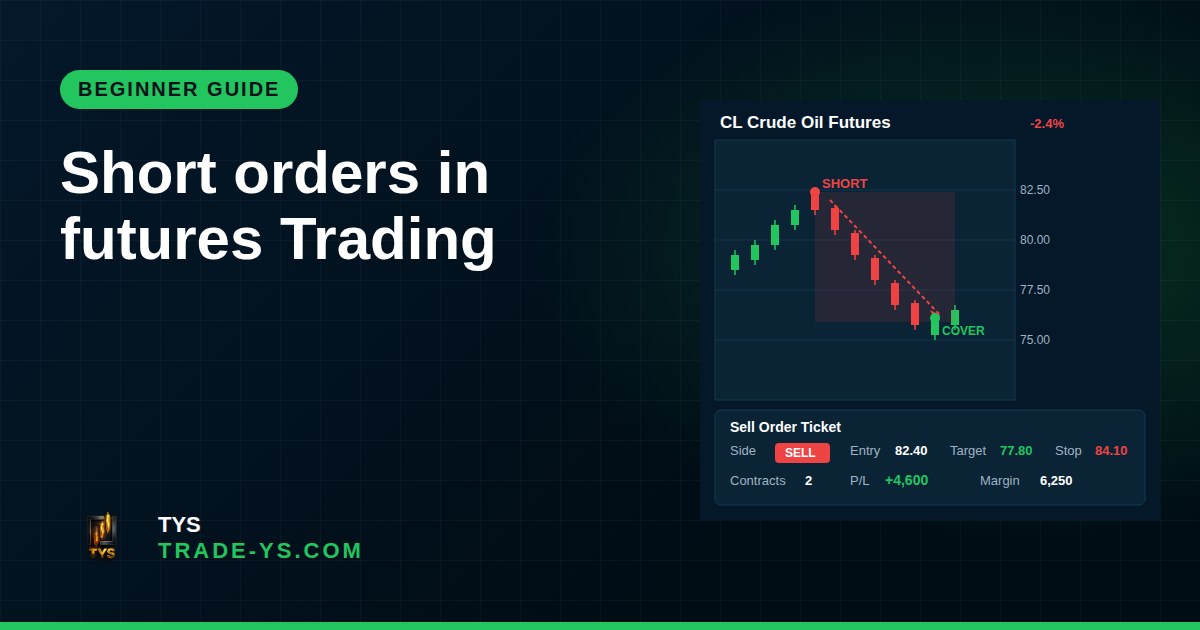
Short orders are sell orders that allow traders to speculate on the decline of financial markets. In futures trading, short orders are used to profit from downward movements in futures contracts. In this article, we’ll explore what a short order is in futures trading, how it works, and the risks involved.
What is a short order in futures trading?

A short order in futures trading is a sell order of a futures contract. In other words, a trader takes a position by selling a futures contract with the hope of buying back the contract at a lower price in the future. When a trader places a short order, they anticipate a decrease in the price of the futures contract, which will allow them to make a profit.
How does a short order in futures trading work?
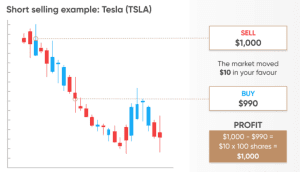
To better understand how a short order in futures trading works, let’s take an example. Let’s say a trader thinks that the price of crude oil futures will decline in the coming months. They can place a short order by selling a crude oil futures contract. If the price of the crude oil futures contract does indeed decline, the trader can then buy back the contract at a lower price, thus making a profit.
However, if the price of the futures contract increases instead of declining, the trader will incur a loss. This is the risk associated with short orders in futures trading.
Risks associated with short orders in futures trading

Short orders in futures trading present several risks for traders. The first risk is that the price of the futures contract increases instead of decreasing, which can lead to significant losses for the trader. Short orders can also be subject to maintenance margin, which means that the trader must have enough capital to cover potential losses from their order.
Finally, traders should be aware of the costs associated with short orders in futures trading, such as brokerage fees and futures contract rollover fees. These costs can reduce the potential profits of the trader, this is why there is what we call prop firms who fund traders who don’t have budget to trade futures contracts and Ear2Trade is, actually, the best choice to begin in the futures trading .

Conclusion
Short orders in futures trading allow traders to speculate on the decline of financial markets. However, these orders come with significant risks, including the risk of losses, maintenance margins, and liquidity. Traders must be aware of these risks and should conduct thorough analysis before placing a short order in futures trading.
